

Hey Gang !
Art history has many paths. Because of that, it helps to explore different movements and artists in order to discover the aesthetics that resonate with us the most. One of the most reliable ways to do this is to study the old masters and begin digesting the lessons hidden in their work.
I know that studying old masters’ oeuvres is not always easy. Their works can feel old-fashioned or distant from our time. But they are proof that extraordinary levels of craftsmanship are possible.
And that is something worth looking forward to.
Still, craftsmanship alone is not everything. What makes these works truly valuable is that they reveal the context of their time—how artists thought, what they valued, and most importantly, their personality, creativity, magic, and soul.
Why Study the Old Masters?
At some point in my own artistic development I found myself under serious financial pressure—what I would call survival mode.
When you are in that situation, you have no time, money, or focus to waste. You begin redefining what is truly valuable. Every hour and every bit of energy must go toward something meaningful.
For me, visiting museums became one of those valuable things.
Museums broaden your perspective. They add culture to your thinking and remind you that you are part of a much larger artistic tradition.
Depending on where you live, you may have access to different kinds of museums. In a big city there may be hundreds; in a smaller city perhaps only one or two. Either way, they are there.
And yes, museums are not always the most stimulating activity at first. They ask you to slow down. They ask you to read, to think, to observe quietly.
But that is exactly why they are valuable.
Sometimes it helps to research an exhibition before visiting. Look into the context:
- Who is the artist?
- What is the theme of the exhibition?
- Is it painting, sculpture, illustration?
- What is the artist’s story?
Doing a bit of preparation helps us appreciate certain museums more than others, depending on our own taste. Some people prefer historical or anthropological collections, others prefer contemporary art.
And that is completely fine.
We are free to like whatever we like.
The important thing is to develop taste and appreciation.
Museums are more than places that display art. They are institutions that preserve artistic heritage. Inside them we can see how different movements developed across time.
So let’s review a few of them.
This is not a ranking—just a selection of movements that I personally find interesting.

French Impressionism
Impressionism is one of my favorite movements. The colors alone feel like a visual trip.
The movement began when a group of artists rebelled against the strict rules of the French academic system known as Le Salon Officiel. The Salon was extremely conservative: follow the rules or stay out.
Many Impressionists chose the second option.
Because of that rebellion they initially struggled financially. Collectors and institutions did not support them, so they organized their own exhibitions.
One important supporter was the art dealer Paul Durand-Ruel, who promoted their work and helped them survive. Another was Gustave Caillebotte, who supported fellow painters with supplies and financial help.
Impressionists also benefited from two technological developments:
- the invention of photography
- the invention of portable oil paint tubes
Paint in tubes made plein air painting possible—painting outdoors directly under natural light.
Technically, Impressionists focused on capturing the correct values first, then building form through vibrant brushstrokes of color. Instead of using black shadows, they often used blue or violet.
Artists like Claude Monet and Pierre-Auguste Renoir pushed these ideas further. Renoir even continued painting despite severe arthritis later in life.
Today Impressionism is one of the most beloved movements in art history.
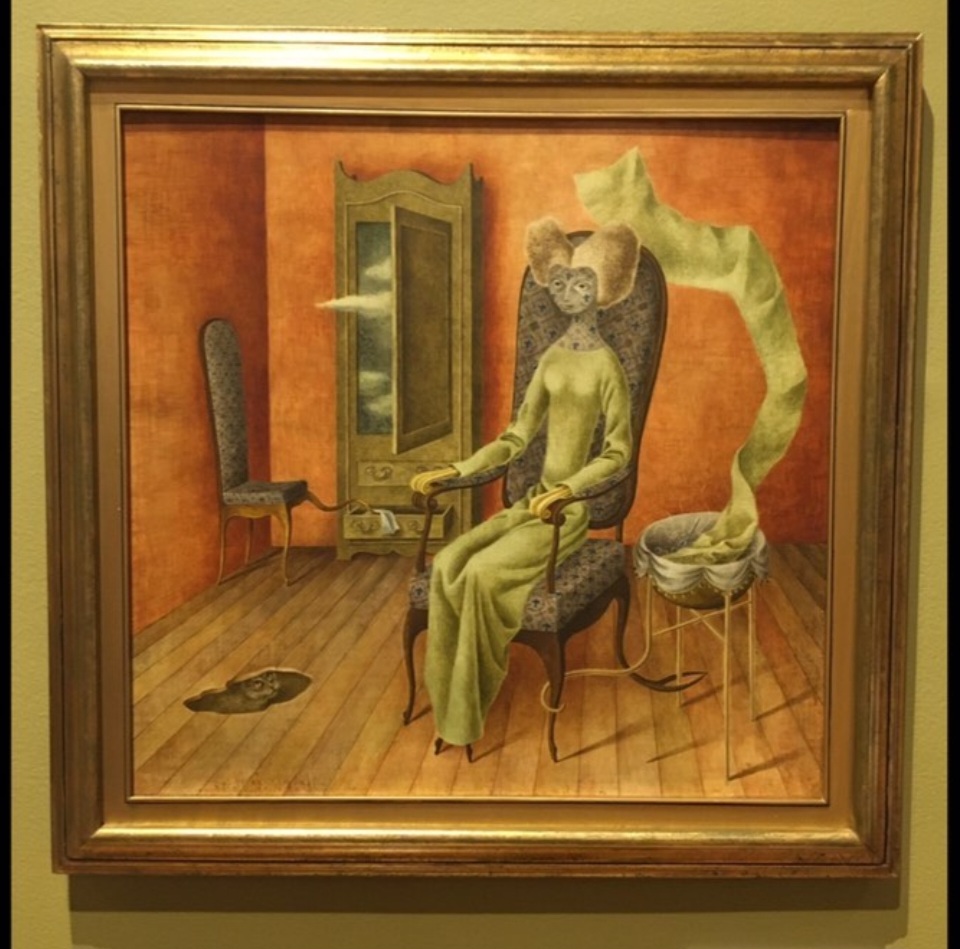
Surrealism
Surrealism is a sensational movement, which is why it tends to attract a lot of attention—especially from younger audiences.
It revolves around three main ideas:
- Dreams – the oniric world and the unconscious mind
- Eroticism – the exploration of sexuality
- Randomness – unexpected combinations of unrelated elements
The movement was organized by the poet André Breton, who wrote the Surrealist manifestos.
One of its most famous figures was Salvador Dalí.
Dalí cultivated an eccentric public persona and created bizarre imagery—paintings, sculptures, even museums. But if you study his early drawings, you will see something interesting: he had extremely strong traditional training.
He spent years mastering classical draftsmanship before developing his surreal imagery.
That pattern repeats often in art history: experimentation grows from strong foundations.
Rennaissance & Manierism
The word Renaissance literally means rebirth. It refers to the rediscovery of classical Greek and Roman culture.
During this period Italian artists revived lost techniques of drawing, painting, and sculpture.
The most famous figures include:
- Leonardo da Vinci
- Raphael
- Michelangelo
- Donatello
Their work established many of the foundations that later artists would build upon.
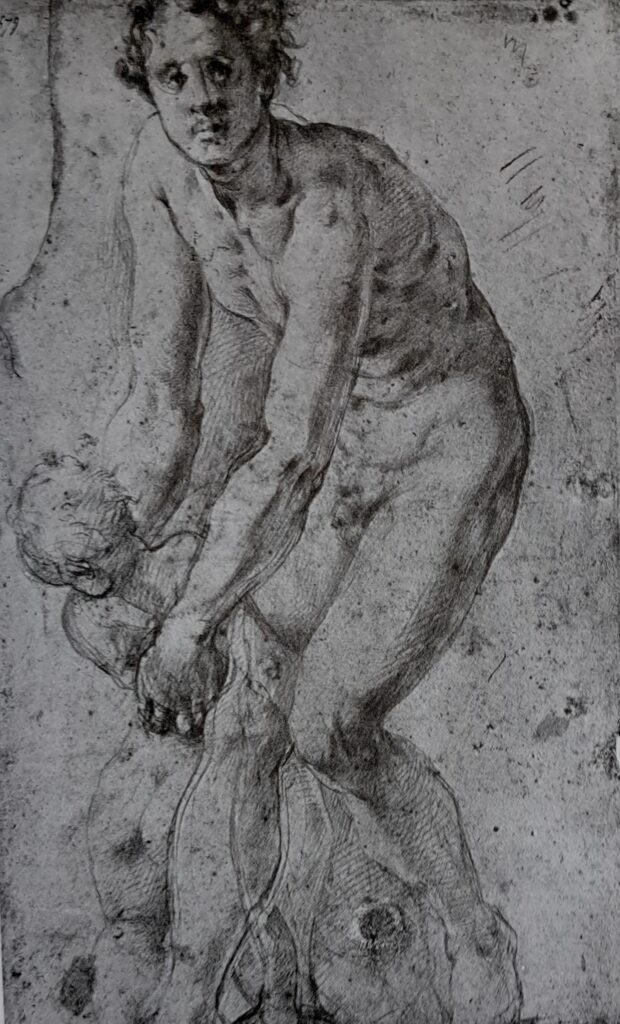
After the Renaissance came Mannerism, a movement that developed particularly in Florence. Mannerist artists admired the mastery of Raphael and Michelangelo but pushed their ideas further.
The focus shifted toward style and technical virtuosity. Figures became elongated, elegant, sometimes exaggerated. The goal was not simply realism, but expressive sophistication.
Important Mannerist artists include:
- Jacopo Pontormo
- Parmigianino
- Giulio Romano
- Bronzino
Mannerism eventually declined, partly because its intense stylization and psychological tension reflected the instability of the period.
Pre-raphaelites
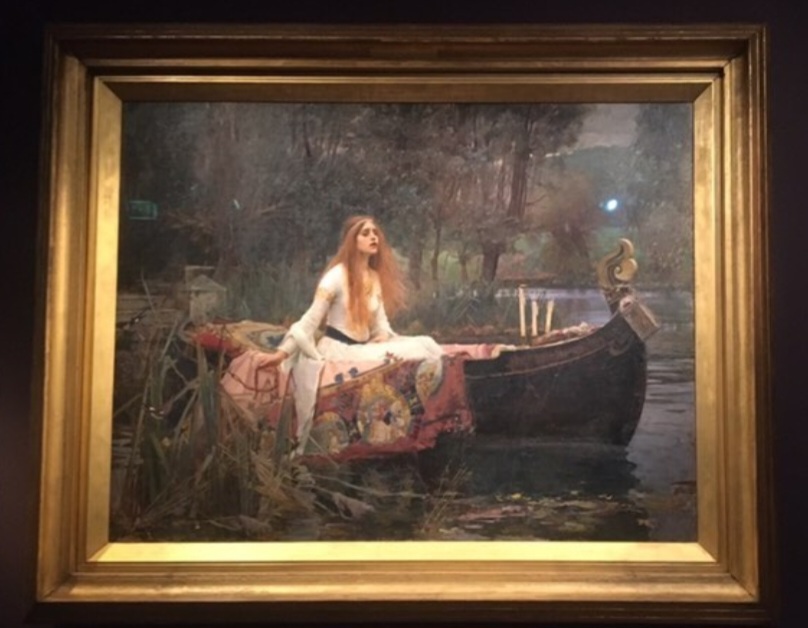
In 1848, three young painters in London formed a group called the Pre-Raphaelite Brotherhood.
They rejected academic conventions and looked back to medieval art for inspiration. Their work often explored poetry, mythology, romantic legends, and nature.
The main figures were:
- John Everett Millais
- Dante Gabriel Rossetti
- John William Waterhouse
Their paintings often feel dreamy, symbolic, and highly detailed.
OP ART
A very different movement is Op Art, or optical art.
The leader of this movement was Victor Vasarely, a Hungarian artist who dedicated his life to exploring visual perception.
His abstract paintings create the illusion of movement and depth on a flat surface. Some areas appear to vibrate or rotate, even though the canvas itself is completely still.
Vasarely founded a museum dedicated to his work in Budapest, where many of his monumental paintings can be seen.

American golden age of illustration
There was a time when television did not exist. People were entertained primarily through books and magazines.
During this period—roughly the late 19th and early 20th century—the demand for illustrators exploded. Images became an essential part of storytelling.
Some of the giants of this era include:
Howard Pyle
Often called the father of American illustration. His teaching emphasized emotional connection and empathy within narrative scenes.
Maxfield Parrish
A master of fantasy imagery who often built elaborate miniature sets as references for his paintings.
Norman Rockwell
Famous for depicting everyday American life with humor and psychological depth.
Another beloved illustrator is Beatrix Potter, whose charming animal characters are filled with personality and warmth.
Art Nouveau
Art Nouveau emerged partly as a reaction against industrialization and mass production.
It aimed to restore the influence of artists and craftsmen in everyday life.
The movement extended beyond painting and illustration into architecture, design, and decorative arts.
One of its most iconic figures was Alphonse Mucha, whose work is recognized by flowing lines, stylized forms, and elegant compositions.
Learning From Different Masters
Every artist in history tends to specialize in certain aspects of the craft.
By studying them, we can focus on particular skills.
For example:
| Artist | What to Study |
|---|---|
| Cambiaso | Volumetric figure construction |
| Rubens | Gesture and movement |
| Michelangelo | Anatomy |
| Monet | Color relationships |
| Egon Schiele | Contour drawing |
| Rembrandt | Lighting |
| Bernini | Form and sculptural shape |
Final Thoughts
We all have different tastes.
Sometimes old master paintings can feel distant or difficult to appreciate at first. But if we give them time, they reveal an incredible amount of knowledge.
They are not just beautiful objects.
They are lessons.
And studying them helps us understand what kind of artists we want to become.