

Hey gang,
Whenever we walk to work, travel through a city, or live abroad, we inevitably encounter art on the streets.
It appears in many forms:
- stickers
- posters
- tags
- murals
- stencils
- installations
Cities are full of visual expressions placed outside the traditional spaces of galleries and museums.
These works are often grouped under labels like graffiti or street art, but regardless of the name, both movements share something important:
talent and creativity.
Graffity
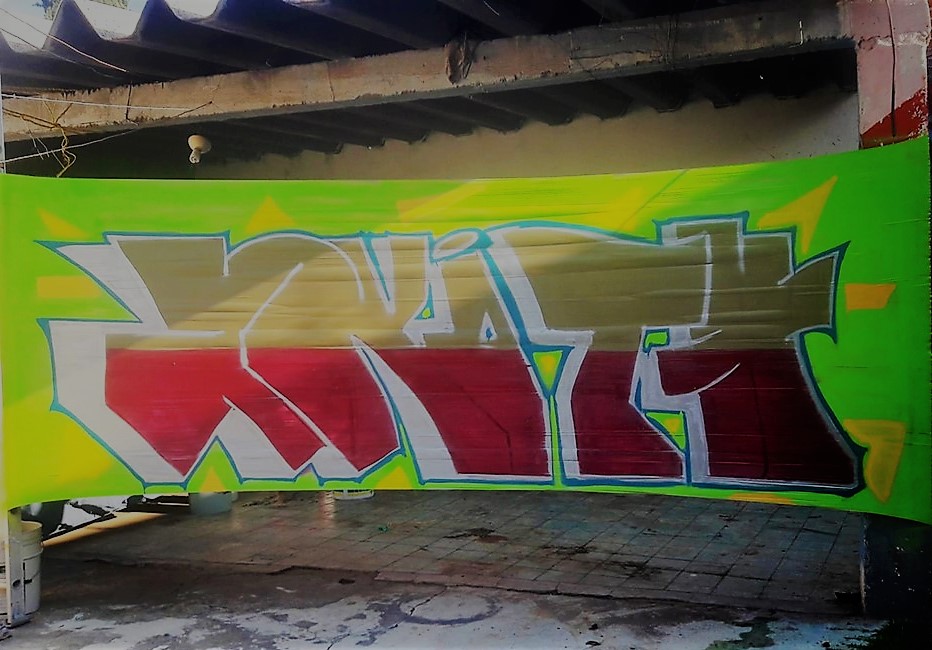
Graffiti is considered the visual element of hip-hop culture.
Its foundation is built around:
- lettering
- tags (signatures)
- illegal missions
- competition between writers
- documentation of ephemeral work
The movement emerged in late 1970s New York City, when young artists began painting their names illegally on subway trains.
From there it evolved quickly.
Writers developed new styles such as:
- tags
- throw-ups
- wildstyle lettering
- characters
- 3D letter structures
What began in New York eventually spread to Europe, Latin America, and the rest of the world, creating local scenes and stylistic variations everywhere.
Graffiti also created its own ecosystem: writers, crews, historians, and photographers who documented a movement that often disappeared as quickly as it appeared.
One of the most important figures documenting graffiti is Martha Cooper.
She first encountered graffiti writers in the streets of the Bronx, where young artists were drawing their names in black books — sketchbooks used to design future pieces.
From that moment on, she began documenting the culture.
For more than four decades she has photographed:
- train paintings
- street pieces
- writers from around the world
Her work helped preserve a movement that is naturally temporary and constantly changing.

Street Art
Over time, a new movement grew out of graffiti culture: street art.
Street art borrowed some of graffiti’s codes but expanded beyond lettering.
Artists began to integrate techniques from fine art, graphic design, and illustration.
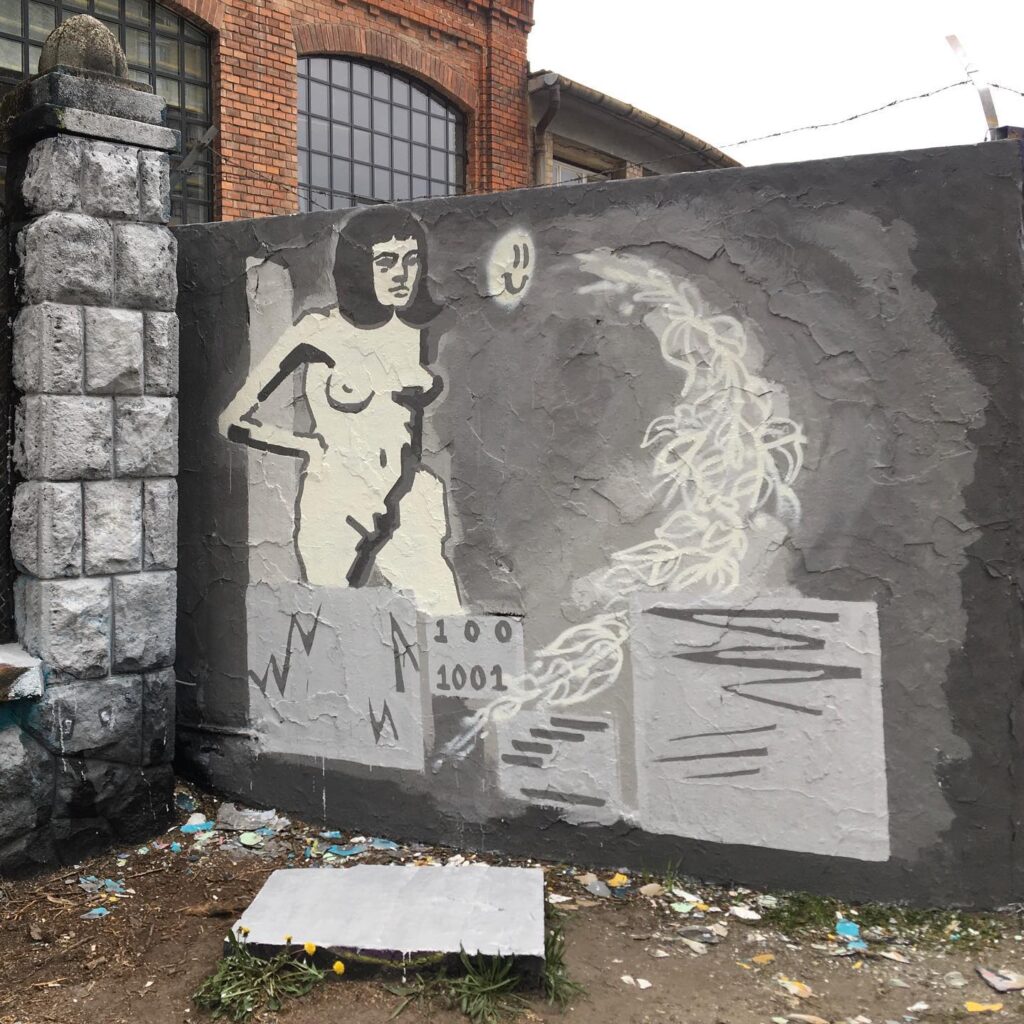
Unlike traditional graffiti, which focuses mainly on letters and names, street art often focuses on images and concepts.
Street artists also interact with the architecture of the city itself, using walls, corners, signs, and urban structures as part of the composition.
One of the early pioneers of street art was Keith Haring.
Instead of writing letters, he began drawing his famous stick figures and symbolic forms in subway stations.
Another key figure is Blek le Rat, who popularized the use of stencils.
In Paris he painted rats across the city. The image was symbolic: Paris is often seen as a refined center of art and culture, yet it is also a city filled with rats. His work challenged that contradiction.
And although it might seem predictable to mention him in any discussion of street art, Banksy brought the movement to a global level.
Through anonymity, political commentary, and sharp visual satire, his work introduced street art to a much larger audience.
His images have created conversations about:
consumer culture
politics
economics
war
From the streets to institution
Street art and graffiti have also influenced society in unexpected ways.
In many cities, talented graffiti writers who once painted illegally have transitioned into professional muralists.
This shift has led to the creation of mural festivals around the world.
These events invite artists to paint large walls legally, while interacting with local communities and transforming urban spaces.
At the same time, the movement has entered more traditional art institutions.
One example is Urban Nation Museum for Urban Contemporary Art, one of the first museums dedicated entirely to street and urban art.
Under the direction of Yasha Young, the museum helped bring recognition to artists who previously worked mainly in the streets.
Street art has also entered galleries, where artists now exhibit paintings, prints, sculptures, and merchandise inspired by urban aesthetics.
The question of gentrification
The success of street art has also produced complex social effects.
One of them is gentrification.
Gentrification occurs when a previously neglected neighborhood suddenly becomes attractive for tourism and development.
Street art often plays a role in this transformation by making an area visually appealing and culturally interesting.
A well-known example is Wynwood Walls.
Developer Tony Goldman invited artists from around the world to paint large murals in the area, transforming an industrial district into a major cultural destination.
While this can bring economic growth and tourism, it can also lead to rising costs of living and displacement of local communities.
More than graffiti and street art
Not every painted wall belongs to graffiti or street art.
Cities also contain other forms of public visual expression, such as:
- public art commissioned by governments
- political propaganda
- community murals
For example, the tradition of Mexican muralism had a strong social and political purpose.
Artists used large walls to communicate historical narratives and political ideas directly to the public.
So while many walls today are painted, not all of them belong to the same artistic movement.

Looking at the streets differently
The next time we walk through a city and see a painted wall, a sticker, or a tag, we can take a moment to look a little closer.
Behind those marks there may be:
- a cultural movement
- a personal signature
- a political message
- or an attempt to transform the urban environment
Street art and graffiti are not just decorations.
They are visual conversations happening directly in the city itself