
Hey Gang !
Learning how to draw and digest technical knowledge is hard. Sometimes we simply don’t feel like doing the work. That’s where discipline appears to help us continue.
But after grinding through technical practice for long enough, something else becomes necessary. We need to invoke our peers, our inspiration, our motivation, and our creativity.
So let’s look at how we can fill those inspirational and creative tanks and slowly develop an artistic taste.
Inspiration
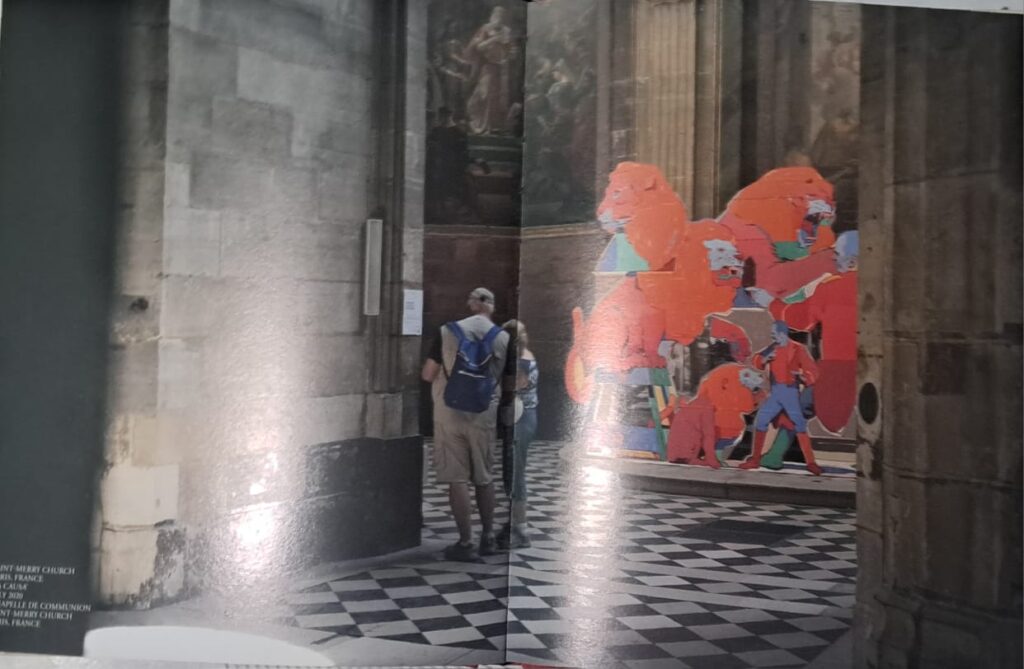
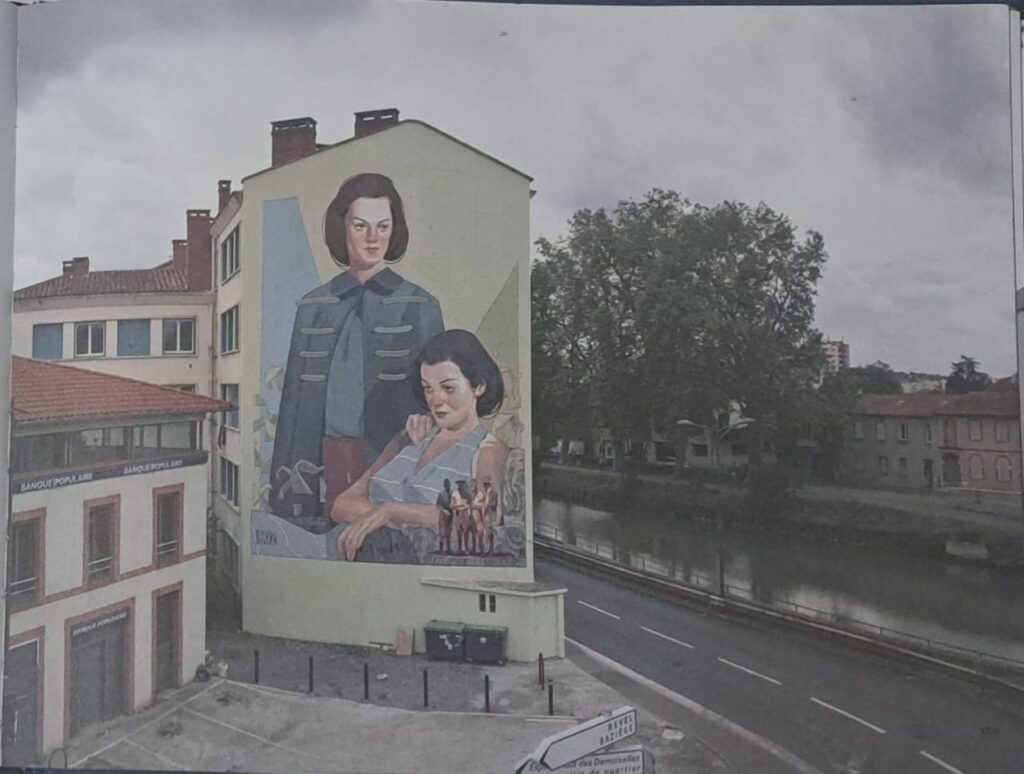
We usually begin by digesting art: going to exhibitions, visiting museums, and paying attention to those small moments when something clicks inside us.
That little internal reaction—the giggle, the spark—is often the signal that we are looking at something we find attractive.
It’s important to remember that we understand ourselves in relation to others. Sometimes we appreciate an artwork because we appreciate the artist. Sometimes it’s because the artist is from our country, our generation, or shares some cultural background with us.
By investigating new artists and taking the time to learn about their stories and careers, we start constructing a bias. That bias quietly guides part of the direction our own work might take. We become influenced by these artists, and sooner or later those influences appear in our work.
At the same time, studying ourselves is just as important. By digging into where we come from—our parents’ history, our family background, and our cultural heritage—we start recognizing what truly belongs to us.
That’s where authenticity comes from.
Finding our references and developing artistic taste is difficult, and getting to know ourselves is not an easy task either. But that process is where our own voice appears, and that voice is precious.
Our teachers, the methods we use to create, and our influences all shape our process. In many ways, we become a by-product of them.
Learning What We Like (and What We Don’t)
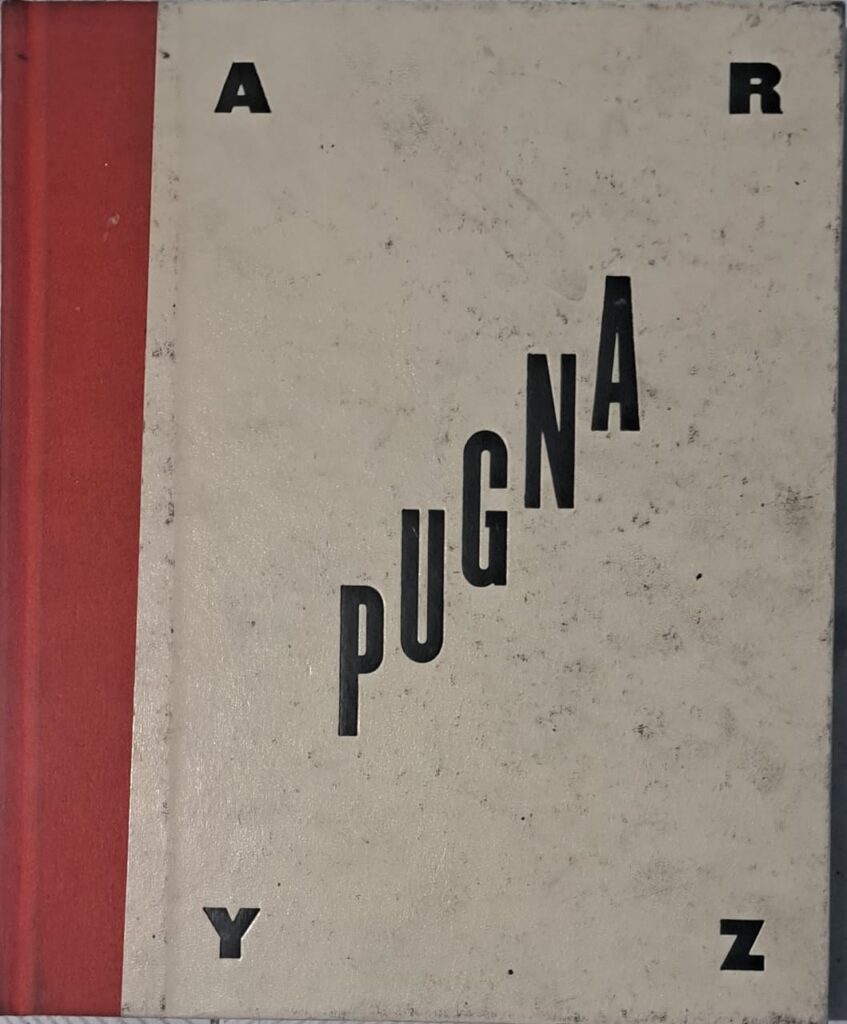
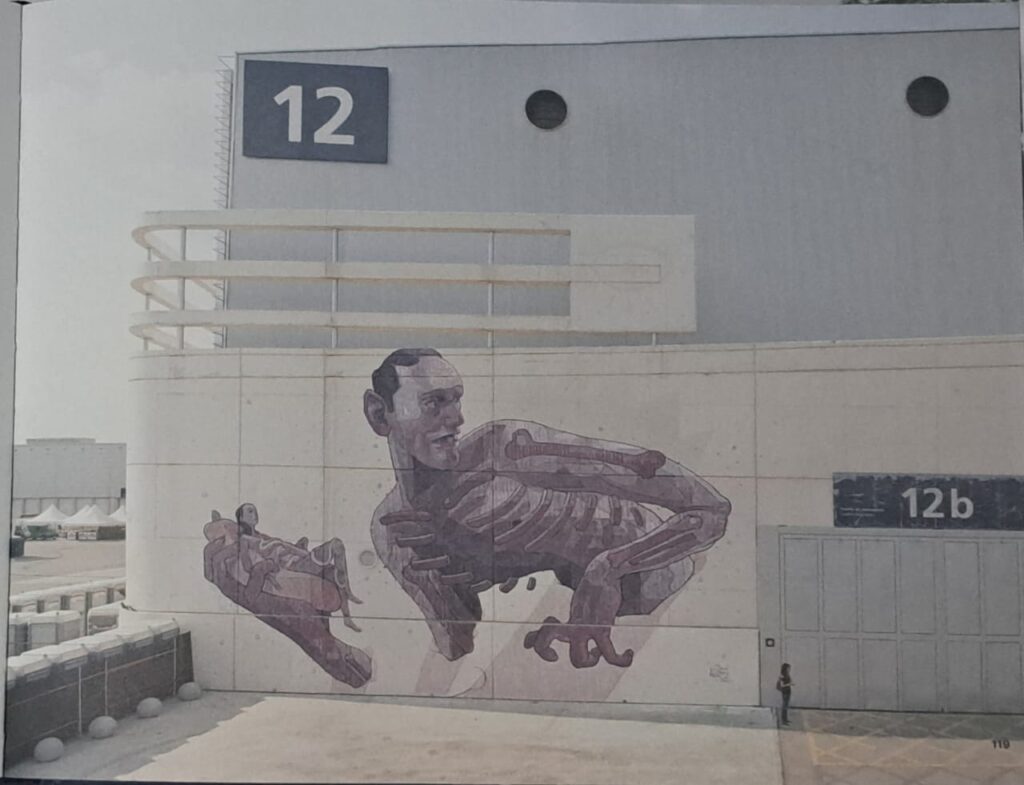
Many times we go to an art show and see work that simply isn’t for us.
And that’s perfectly fine.
We don’t have to like everything.
There are very few artists whose work we completely admire. Most of the time we might like an artist’s work but not their lifestyle, or respect their career but not their technique. Sometimes those artists are simply popular trends.
It is important to ask why we like something.
If we like something only because everyone else likes it—take someone mainstream like KAWS as an example—it might be worth digging deeper and asking whether there is something more meaningful there for us.
Some images are much easier to consume than others. Highly sexualized manga imagery, for example, is visually loud and immediately attractive. But sometimes those images are mostly noise.
After training the fundamentals for a while, we begin to appreciate different aspects: a color palette, a brushstroke, a certain approach to form. We start developing a taste for technique, and that is a very good thing.
Old masters are often harder to appreciate because their work can feel old-fashioned. But usually there are one or two artists that somehow resonate with us. Maybe we like their hatching, their themes, or the way they construct their images.
One way to approach them is by relating their work to something contemporary that we already enjoy. Once we do that, we can begin noticing technical decisions that appeal to us—and we can “steal” those ideas for our own work.
Studying someone like François Boucher might require a certain level of visual maturity. But there’s no reason to feel guilty for liking artworks that others might criticize.
Guilty pleasures are allowed—at least visually speaking.
Spending Time With Art
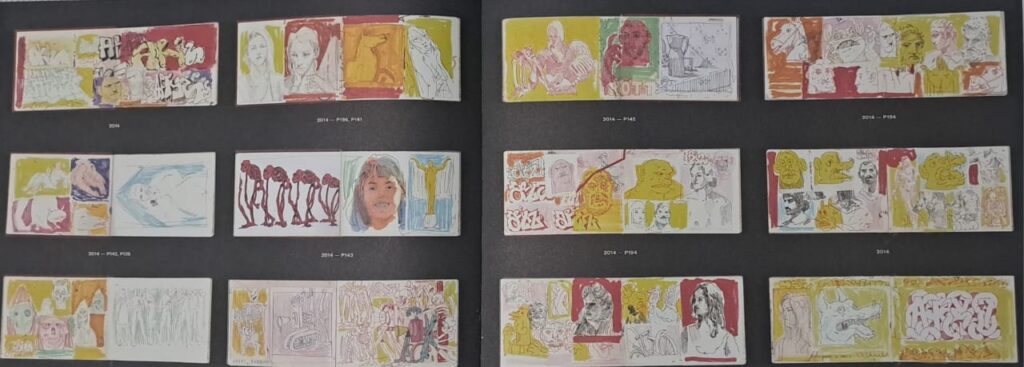
Sometimes we should simply spend time with the art we like without thinking about study or technique.
Creativity is largely about pattern recognition, pattern usage, and pattern creation. The more we observe the art we enjoy, the more we start noticing recurring elements.
Visual literacy—the ability to read images—is becoming rare today. As artists, we want to develop that ability. We want to read technique from other artists and implement it in our own work.
Even if viewers cannot explicitly explain why a drawing works, they can feel it. Maybe they don’t know that you used cross-hatching, a lost edge, or a certain compositional structure—but they feel the effect.
Inspiration Beyond Painting
Our taste should not be shaped only by painters.
Filmmakers, musicians, writers, and designers all contribute to our visual thinking. Often the same emotional ideas can translate between music and images.
You might hear a sound in a piece of music and think: I love that feeling. How can I translate that into a drawing?
That’s where experimentation begins. Trying new things, getting lost for a while, rearranging ideas.
We tend to repeat our behaviors and decisions. So if we want to think outside the box, we first need to understand what our box is.
Once we know that, exploration becomes possible.
Creativity
Constant hustling does not always help creativity. Discipline and hard work are necessary, but creativity also requires play.
Creativity is, in many ways, playing with ourselves.
Every artist eventually develops a personal creative process, and that process keeps evolving over time.
For example, when creating a figurative painting we might follow a structured process:
- gesture
- structural drawing
- two-value block-in
- expanded value range
- subtle middle tones
- highlights and details
- final finishing, varnish, and framing
These steps create structure. Artists may also organize color studies, compositional sketches, and preparation drawings before starting the final painting.
Some artists go even further, hiring models and photographing references professionally in order to build their images.
But creativity also appears when we imagine something unusual.
Imagine wanting to paint a scene of flies playing dice. Suddenly we must decide how to build that image. What composition works? What lighting? What mood?
We start mapping the process and making decisions step by step.
Brainstorming, sketching, testing color palettes, experimenting with mark-making or calligraphy—whatever helps bring the idea to life.
The process often has to change when we want to create something new. Creativity is required so we don’t keep painting the same image over and over again.
Final Thoughts
To wrap it up:
- We develop artistic taste by consuming art we like and art we don’t like.
- We should pay attention to the emotions that artworks create in us.
- Our references, inspirations, and biases shape our artistic direction.
- Technique provides the foundation that allows creativity to play on top of it.
- Creativity can appear in many different ways during the process.
In the end, inspiration feeds creativity, and creativity feeds the work.
And the work keeps us moving forward as artists.